DIY Bed Bug Solutions: What Works and What Doesn’t


Understanding Bed Bugs
Bed bugs are small, elusive pests that can cause a lot of discomfort if they infest your home. Known for their ability to hide in tiny crevices, these insects feed on human blood, leaving itchy welts behind. Recognizing an infestation early is crucial to managing the problem effectively.
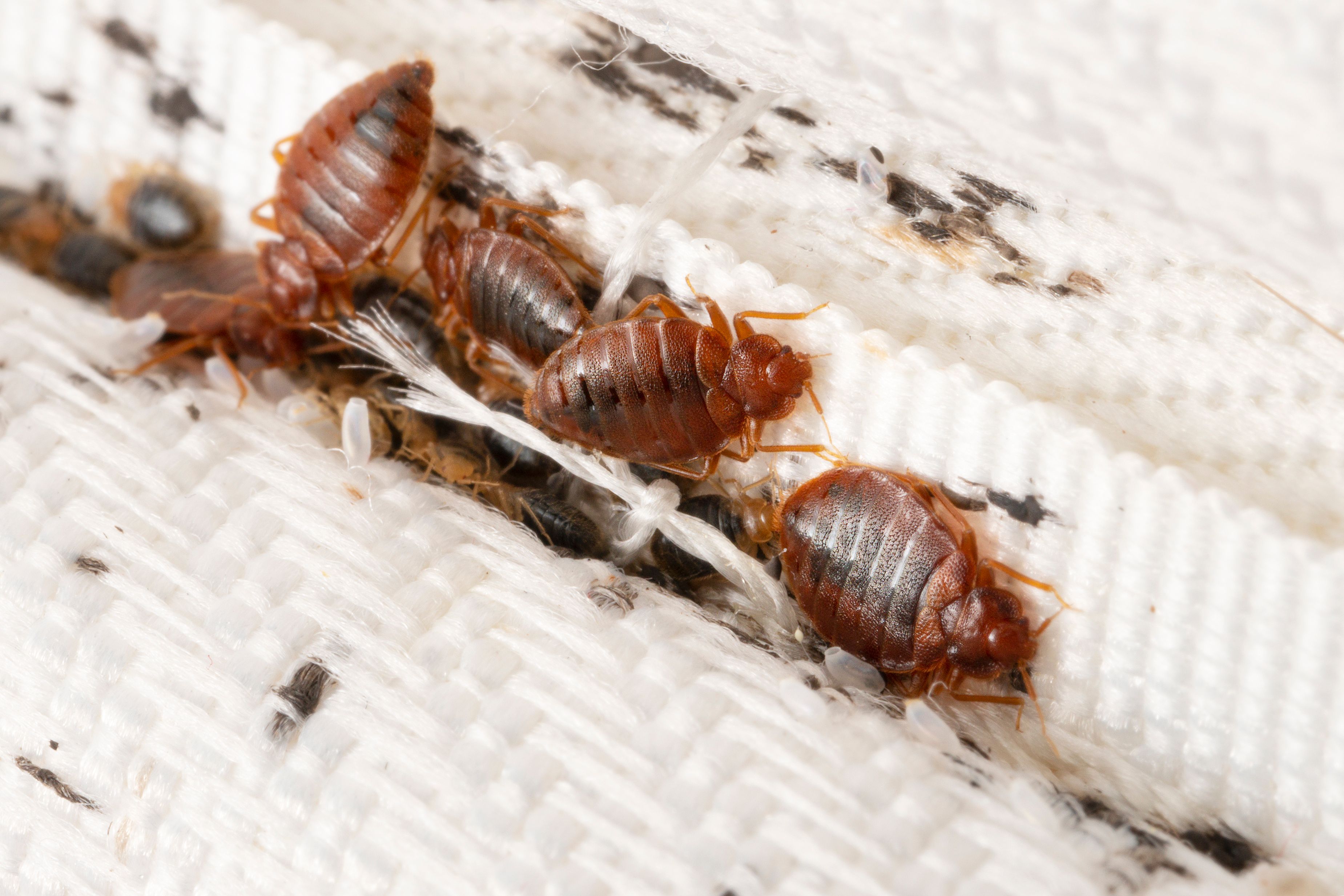
While professional pest control is often recommended, many people try to tackle the problem themselves. DIY solutions can be cost-effective, but it's important to know what works and what doesn't to avoid wasting time and resources.
Effective DIY Solutions
Heat Treatment
One of the most effective DIY methods is using heat. Bed bugs cannot survive at temperatures above 120°F. Washing and drying infested clothing and bedding on high heat can kill them. Additionally, steam cleaning furniture and carpets helps eliminate these pests.

Using a portable heater in an infested room can also be effective, but it must be done carefully to avoid fire hazards. Be sure to follow safety guidelines and monitor the temperature closely.
Diatomaceous Earth
Diatomaceous earth is a natural powder that can be sprinkled in areas where bed bugs are suspected. It dehydrates and kills them on contact. This method is safe for humans and pets, making it an attractive option for many homeowners.
Methods That Don’t Work Well
Homemade Sprays
Although many recipes for homemade bed bug sprays circulate online, they are usually ineffective. Natural ingredients like vinegar and essential oils may deter bugs temporarily, but they rarely eliminate an infestation.

Relying on these sprays can give a false sense of security and allow the infestation to worsen over time.
Vacuuming Alone
While vacuuming can remove visible bed bugs and their eggs, it is not a complete solution. Bed bugs can hide in areas that a vacuum cannot reach. It's essential to combine vacuuming with other treatments for the best results.
Preventing Future Infestations
After dealing with an infestation, prevention is key. Regularly inspect bedding, furniture, and luggage for signs of bed bugs. Use protective covers on mattresses and box springs to reduce the risk of future infestations.
Additionally, minimizing clutter in your home makes it harder for bed bugs to find hiding spots. Keeping your living space clean and organized can help prevent these pests from returning.
Conclusion
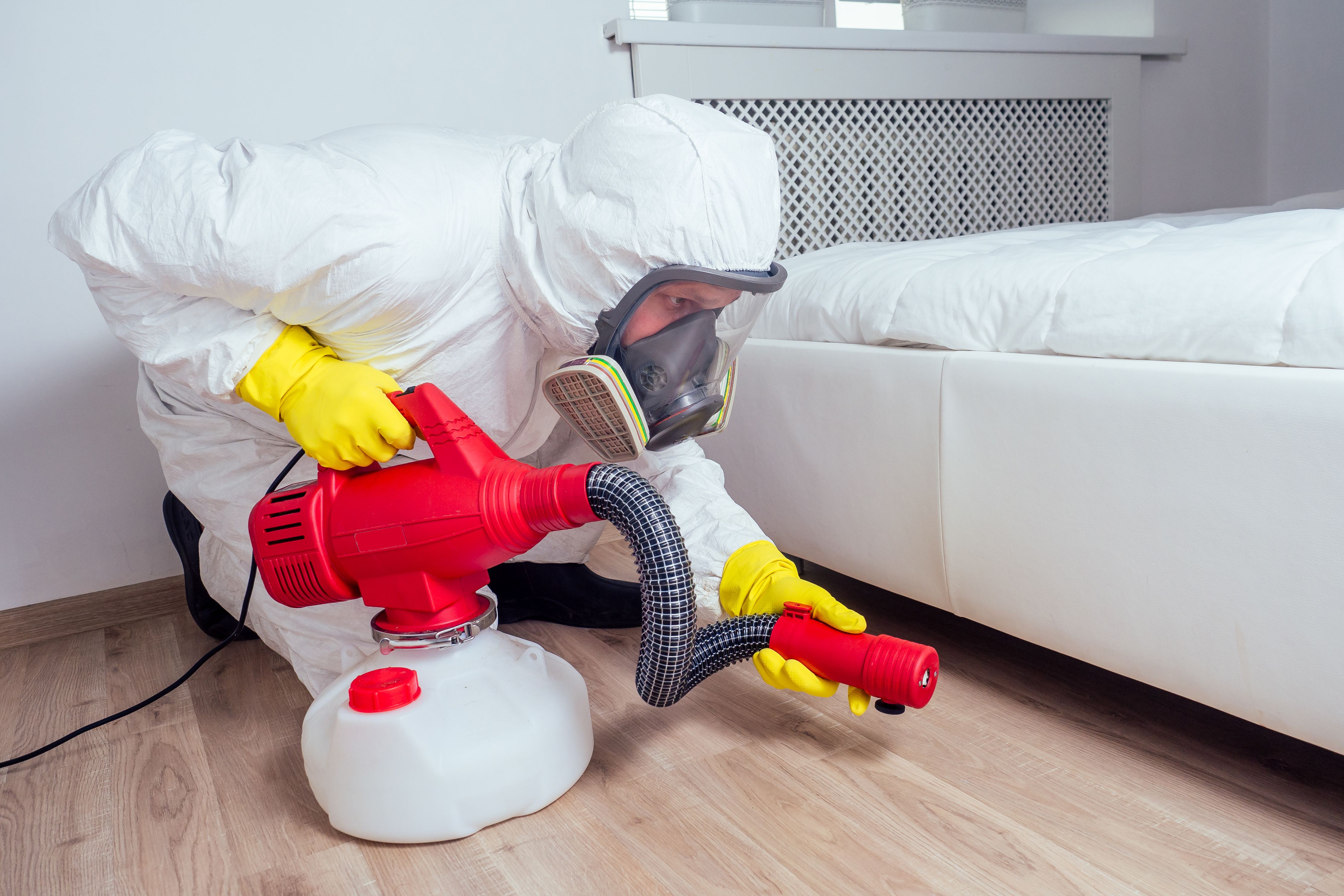
While DIY solutions can be a part of managing bed bugs, they often need to be combined with professional help for the best results. Understanding what works and what doesn't can save time and reduce frustration. Always consider consulting with a pest control expert if the infestation persists.