How to Identify and Treat Bed Bugs: Expert Insights from the Bed Bug Team


Understanding Bed Bugs
Bed bugs are small, elusive insects that can cause significant discomfort and distress. They are experts at hiding in the smallest of crevices, making them notoriously difficult to find and eliminate. Understanding their behavior and life cycle is crucial in combating an infestation effectively.
These pests are primarily nocturnal and feed on the blood of humans and animals. Identifying a bed bug infestation early can prevent a larger problem, saving you time, money, and stress.
Identifying Bed Bugs
Signs of Infestation
One of the first signs of a bed bug infestation is the presence of bites on your skin. These bites often appear in clusters or lines and can be itchy and red. However, bites alone are not a definitive sign, as they can be mistaken for other insect bites.
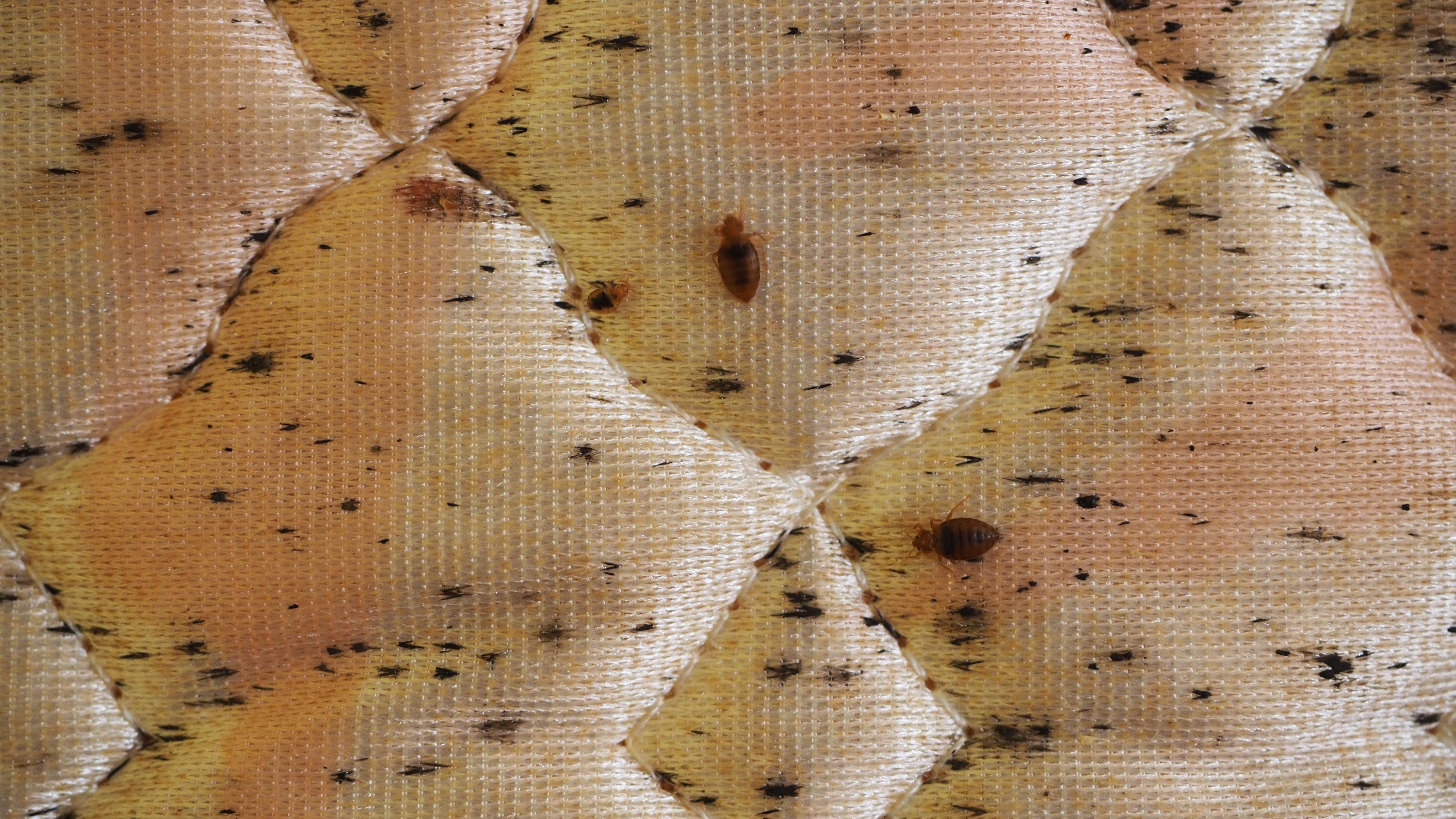
Other signs include small blood stains on your sheets, dark or rusty spots of excrement on mattresses and walls, and a musty odor. It's important to inspect your living space thoroughly to confirm their presence.
Where to Look
Bed bugs are experts at hiding, so it's crucial to know where to look. They often reside in the seams of mattresses, box springs, bed frames, and headboards. Additionally, they can be found in cracks and crevices of walls, behind wallpaper, and inside electrical outlets.
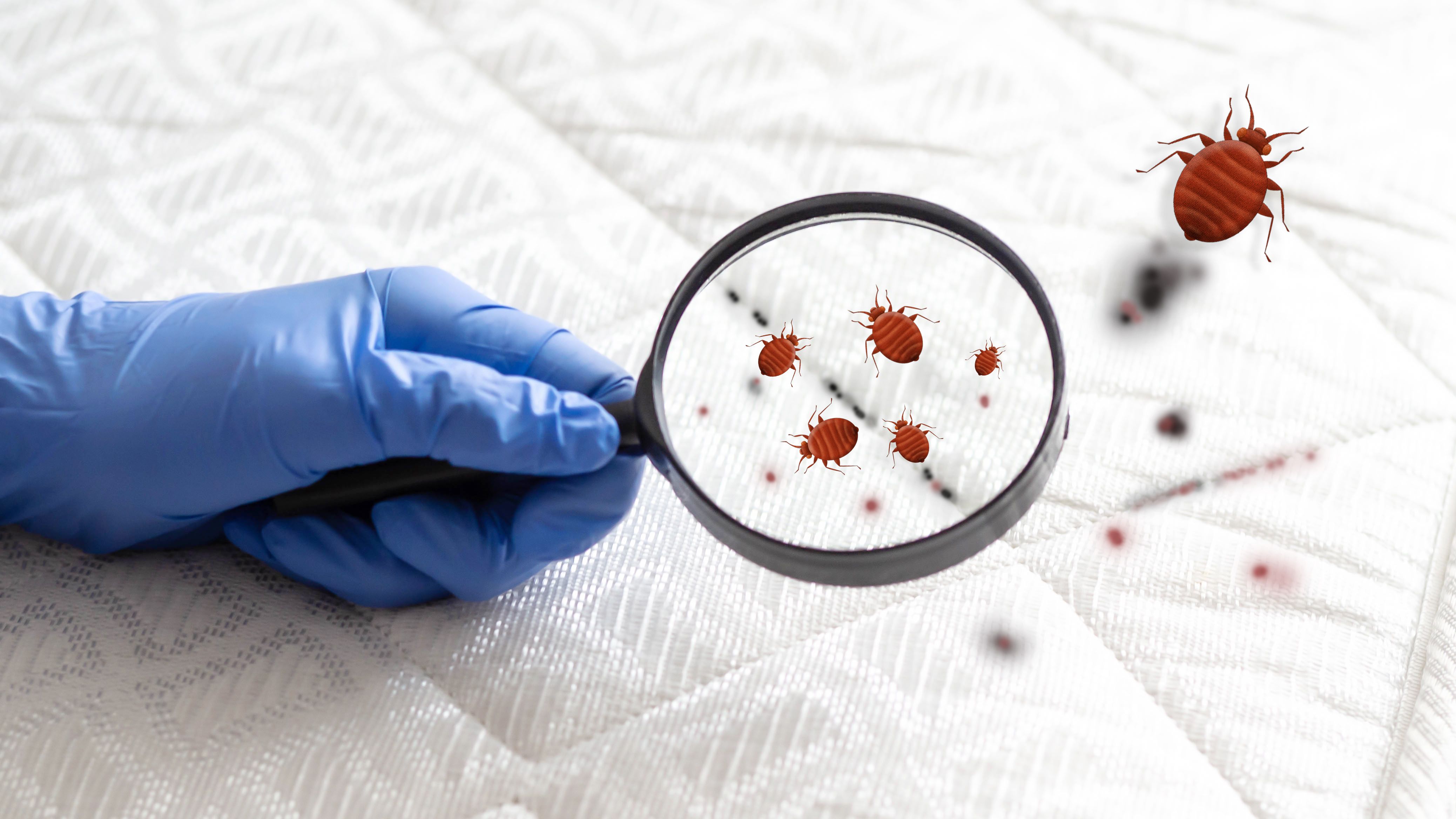
Use a flashlight and a magnifying glass to inspect these areas carefully. Knowing their hiding spots will help you effectively treat and eliminate them.
Treating Bed Bug Infestations
DIY Methods
For minor infestations, there are several DIY methods you can employ. Start by thoroughly cleaning your bedding, linens, curtains, and clothing in hot water and drying them on the highest dryer setting. Vacuum your bed and surrounding area frequently to remove bed bugs and their eggs.
Seal any cracks and crevices in your home to prevent bed bugs from entering or escaping. Consider using bed bug-proof encasements on your mattress and box spring to trap any existing bugs.
Professional Help
For larger infestations, professional pest control services are often necessary. Experts have access to more effective treatments, such as heat treatments and insecticides, that are not available to the general public.
When choosing a pest control service, ensure they are licensed and experienced in treating bed bug infestations. A professional approach can provide peace of mind and a more permanent solution.
Preventing Future Infestations
Prevention is key to avoiding future bed bug problems. Regularly inspect your home for signs of bed bugs, especially after traveling. Be cautious when bringing used furniture into your home, as it can be a common source of bed bugs.
Maintaining a clean and clutter-free living environment can also reduce hiding spots for these pests. By staying vigilant, you can protect yourself and your home from future infestations.