The Ultimate Guide to Mattress Cleaning for Bed Bugs: Protect Your Home


Understanding Bed Bugs
Bed bugs are tiny, elusive creatures that can cause significant discomfort. These nocturnal pests feed on human blood and hide in mattresses, box springs, and even furniture crevices. Understanding their nature is the first step in protecting your home from an infestation.
Bed bugs are adept at hiding and can spread quickly through a household. Their ability to survive for months without feeding makes them particularly resilient. Knowing how to identify and eliminate these pests is crucial for maintaining a healthy living environment.
Signs of a Bed Bug Infestation
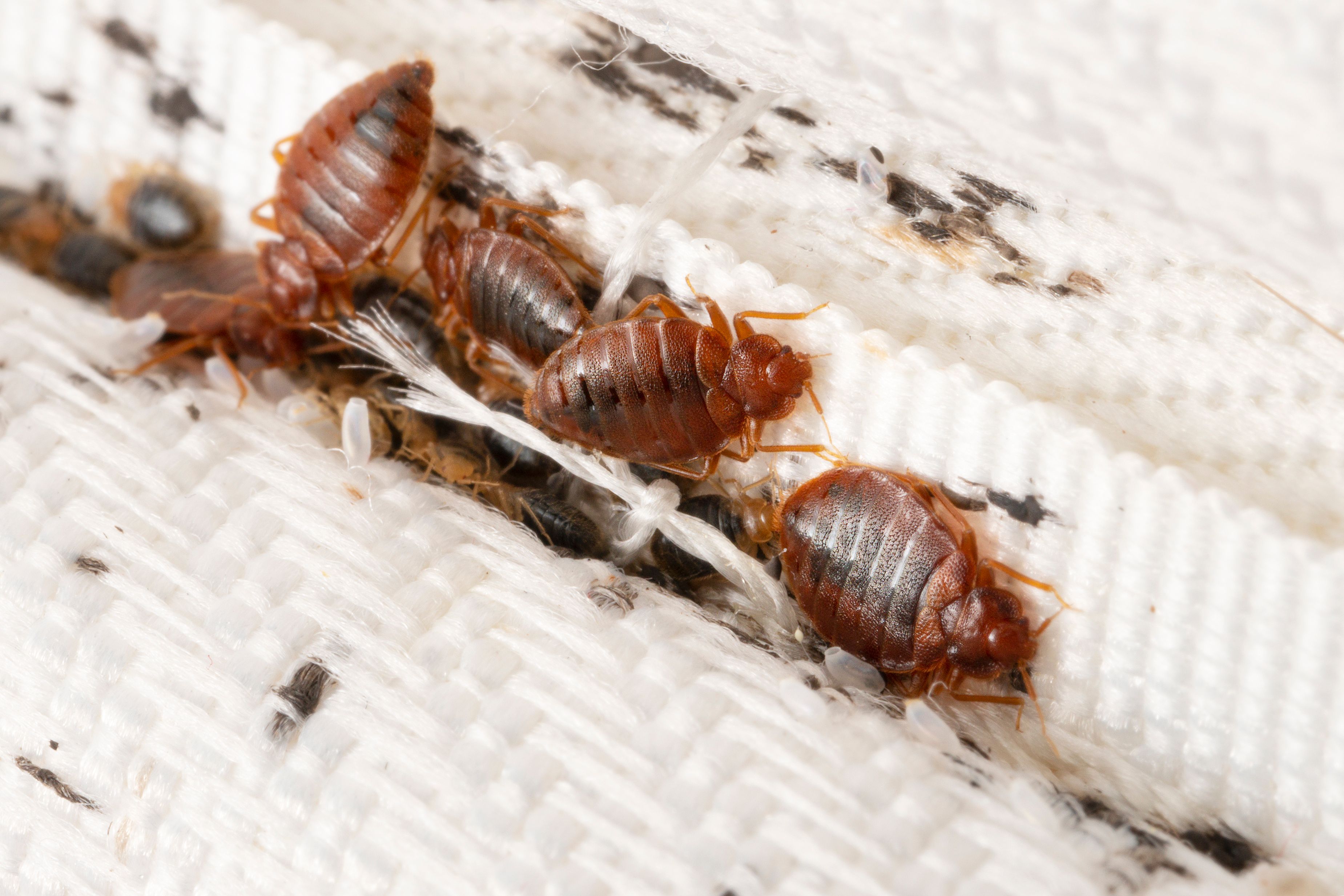
Identifying the presence of bed bugs early can prevent a minor problem from turning into a full-blown infestation. Look for small, rust-colored stains on your mattress or bedding, which could indicate crushed bugs or their excrement. Additionally, you might notice small, itchy welts on your skin.
Another sign to watch for is the presence of tiny, white eggs or shed skins in the seams of your mattress. These indicators often mean that bed bugs are breeding, and immediate action is required.
Effective Mattress Cleaning Methods
Once you confirm a bed bug presence, it's essential to clean your mattress thoroughly. Begin by stripping all bedding and washing it in hot water, followed by a high-heat drying cycle. This will kill any bed bugs and their eggs.
Next, vacuum the mattress thoroughly, paying special attention to seams and edges. Use a vacuum with a HEPA filter to ensure all particles are captured. Dispose of the vacuum bag immediately in a sealed plastic bag.

Steam Cleaning
Steam cleaning is an effective method for killing bed bugs at all life stages. Use a high-temperature steam cleaner, applying steam slowly to all surfaces of the mattress. The heat will penetrate the fabric and kill any hidden pests.
Encase Your Mattress
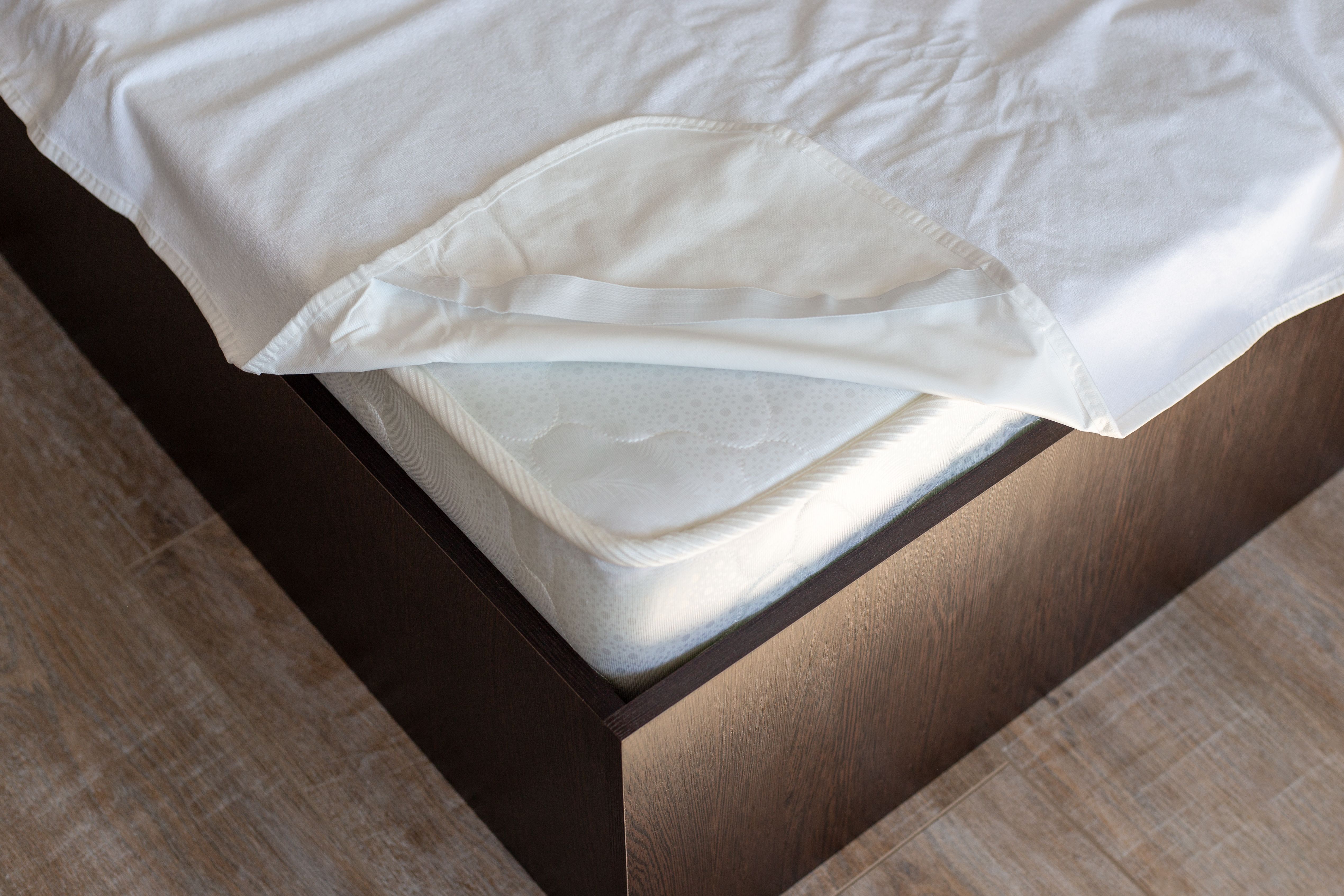
After cleaning, consider encasing your mattress in a specially designed bed bug-proof cover. These encasements trap any remaining bugs inside, preventing them from feeding and eventually killing them. They also prevent new bugs from entering.
Preventing Future Infestations
Preventing bed bugs from returning involves maintaining cleanliness and vigilance. Regularly inspect your bed and surrounding areas for signs of bed bugs. Keep clutter to a minimum, as it provides hiding spots for these pests.
- Use protective covers on mattresses and box springs.
- Vacuum frequently and dispose of vacuum bags properly.
- When traveling, inspect hotel rooms and avoid placing luggage on the bed.
When to Call a Professional
If your efforts to eliminate bed bugs are unsuccessful, it may be time to call a professional pest control service. Experts can assess the situation and apply effective treatments that are safe for your home and family.
Professional exterminators have access to tools and products that are not available to the public, ensuring a thorough eradication of bed bugs from your home.
By following these steps, you can protect your home from the discomfort and inconvenience of a bed bug infestation. Staying informed and proactive is the best defense against these persistent pests.