The Ultimate Guide to Mattress Cleaning for Bed Bugs


Understanding Bed Bugs
Bed bugs are tiny pests that can cause significant discomfort and stress. They are notorious for hiding in mattresses, making them difficult to detect. These pests feed on human blood, often resulting in itchy welts and allergic reactions. Identifying an infestation early on is crucial to effectively managing and eliminating bed bugs from your sleep environment.
Common signs of bed bugs include small blood stains on sheets, dark or rusty spots on mattresses, and a musty odor. If you notice any of these indications, it's essential to take swift action to prevent the spread of these unwelcome visitors.
Preparing for Mattress Cleaning
Before you begin the cleaning process, gather all necessary supplies. You'll need a vacuum cleaner with a hose attachment, a stiff brush, a steam cleaner, and bed bug-specific spray. Additionally, protective gloves and a mask can help safeguard you from allergens and chemicals.
Start by stripping your bed of all linens and wash them in hot water. Heat is an effective method for killing bed bugs and their eggs. Make sure to dry them on the highest heat setting to ensure complete eradication.
Detailed Mattress Cleaning Steps
Once your bed is stripped, use a vacuum cleaner to thoroughly clean the mattress. Pay special attention to the seams, tufts, and edges where bed bugs are likely to hide. Using a stiff brush, scrub these areas to dislodge any eggs.

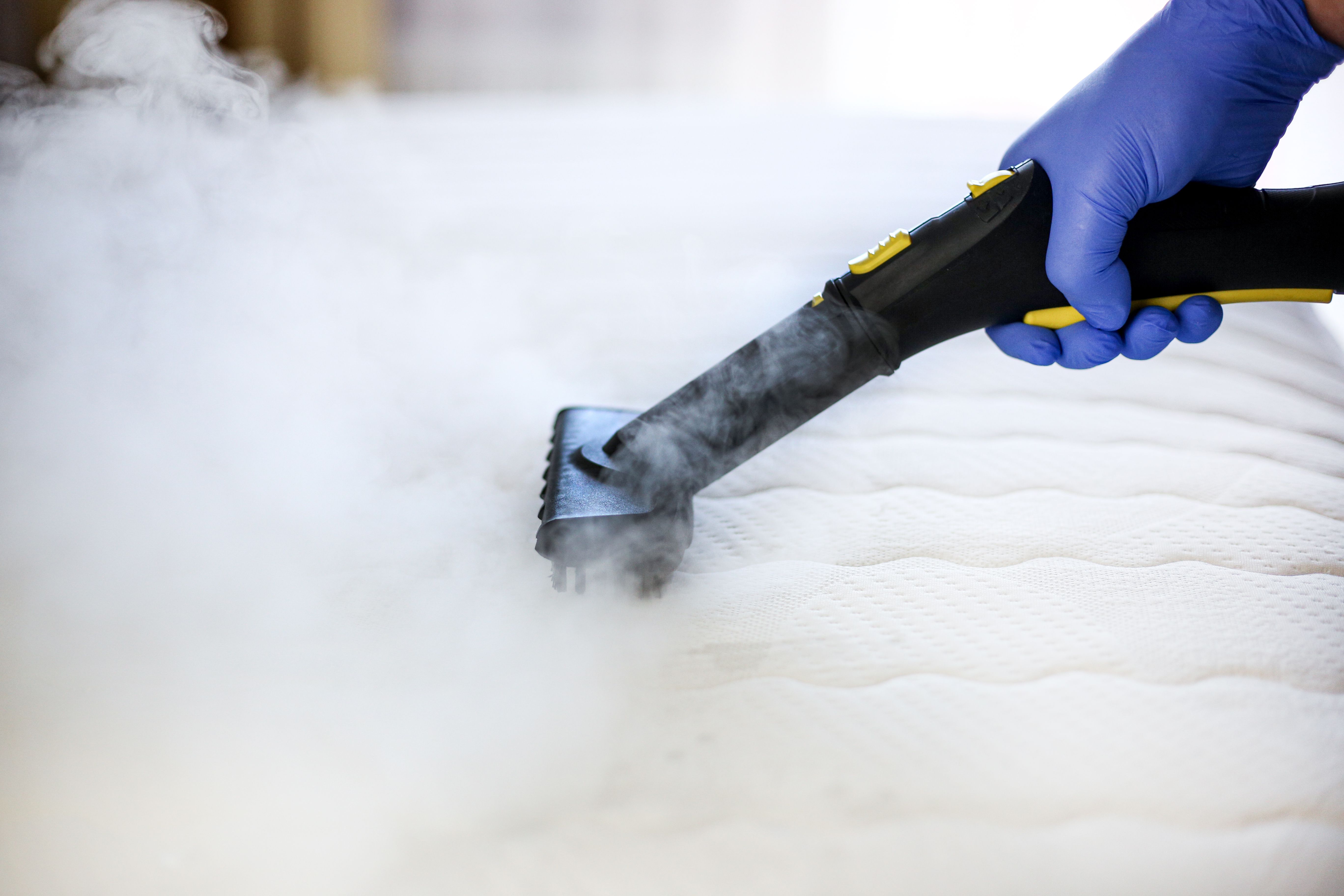
Next, employ a steam cleaner to treat the entire mattress. Bed bugs cannot withstand high temperatures, and steam cleaning is an excellent way to reach deep into the mattress fibers. Slowly move the steam cleaner across the surface to ensure all areas are covered.
Applying Bed Bug Spray
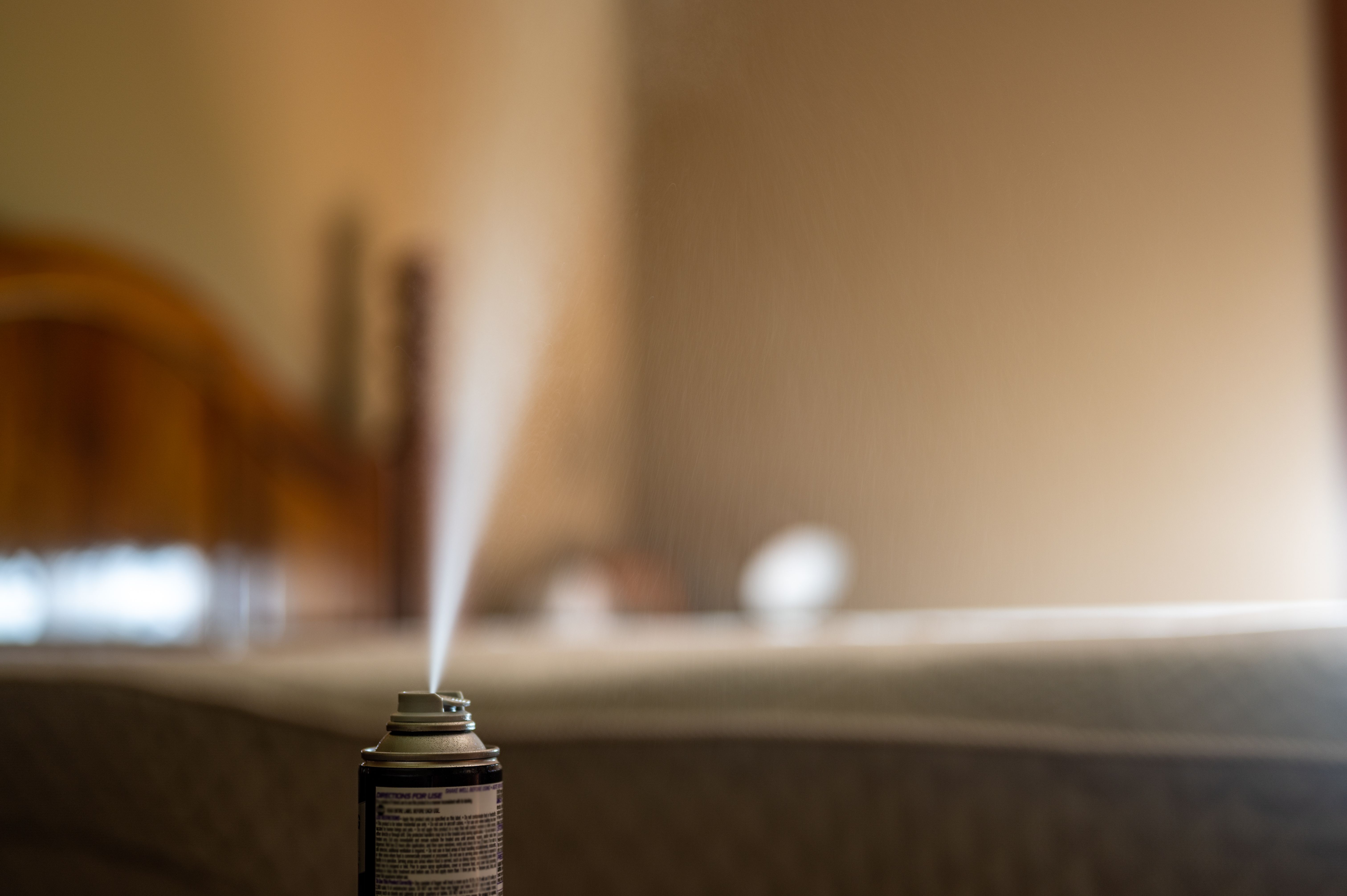
After steam cleaning, apply a bed bug-specific spray to the mattress. Make sure to choose a product that is safe for use on bedding and follow the manufacturer's instructions carefully. Focus on areas where bed bugs are most likely to congregate, such as seams and folds.
Allow the mattress to dry completely before putting any linens back on. This ensures the chemicals have sufficient time to work and reduces the risk of exposure to harmful substances.
Preventing Future Infestations
Once your mattress is clean, consider using a bed bug-proof cover. These encasements are designed to trap any existing bugs inside and prevent new ones from entering. Regularly inspect your bed and surrounding areas for signs of bed bugs to catch any new infestations early.
Additionally, maintaining cleanliness in your bedroom and washing bed linens regularly can help deter bed bugs. Vacuuming carpets and upholstery can also reduce the likelihood of a recurrence.
When to Call a Professional
If your efforts don't seem to be effective, or if the infestation is severe, it may be time to call in a professional pest control service. They have access to more potent treatments and can ensure that bed bugs are eradicated completely.
Professional services can offer peace of mind and help prevent further damage to your home and health.